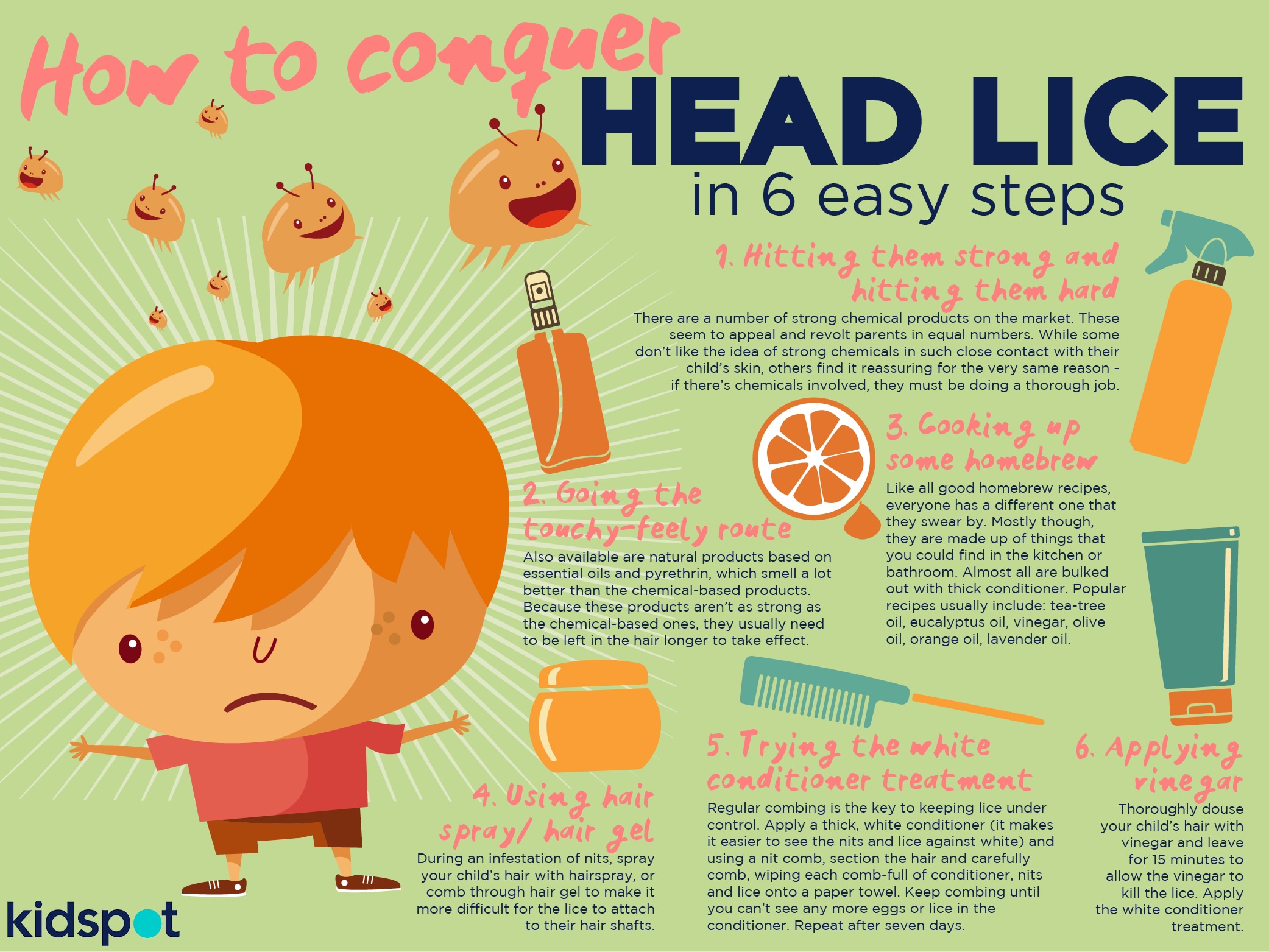
Lice Brochure
Lice Brochure - Head lice are not known to spread disease and are not dangerous. Head lice infestation is diagnosed by looking closely through the hair and scalp for nits, nymphs, or adult lice. Differences between the 3 types of lice: • head lice are very common among all classes of people. The lice will be dark in color and the size of a poppyseed. It can be hard work to get rid of them. The lice will be dark in color and the size of a poppyseed. Head lice develop in three forms: Head lice are found worldwide and anyone who has direct contact with the hair of an infested person or shares a comb, brush, or hat with an infested person can get head lice. Look for lice crawling on the scalp where the hair is parted or on the hair shaft. This brochure may be printed and shared with families with concerns about. What do head lice look like? The lice will be dark in color and the size of a poppyseed. Head lice is a parasitic infestation of bugs found on the head/scalp of people. Click the download button to view what to do if my child gets head lice brochure. Head lice (or pediculosis humanus capitis) are anyone can get head lice! Head lice are not known to spread disease and are not dangerous. Eggs and empty egg shells (nits), baby lice (nymphs), and adult lice. Head lice develop in three forms: There is a very small chance that head lice will. Head lice is a parasitic infestation of bugs found on the head/scalp of people. Head lice are a problem in homes, day care centers, elementary, and preschools. Head lice are found worldwide and anyone who has direct contact with the hair of an infested person or shares a comb, brush, or hat with an infested person can get head lice.. Head lice do not jump, fly, or hop. Look for nits near hair follicle about ¼ inch from. • head lice are very common among all classes of people. Differences between the 3 types of lice: What do head lice look like? Look for nits near hair follicle about ¼ inch from. Head lice (or pediculosis humanus capitis) are anyone can get head lice! Head lice is a parasitic infestation of bugs found on the head/scalp of people. The lice will be dark in color and the size of a poppyseed. Click the download button to view what to do if my. Head lice is a parasitic infestation of bugs found on the head/scalp of people. Head lice are small insects that live in people’s hair and feed on their blood. Look for lice crawling on the scalp where the hair is parted or on the hair shaft. Anyone with clean or dirty hair can get head lice. Head lice are not. Lice are small insects that live in the hairy parts of the body. There is a very small chance that head lice will. Head lice do not jump, fly, or hop. You may see different stages of head lice when checking your child: Look for lice crawling on the scalp where the hair is parted or on the hair shaft. ♦ distribution of educational material to school staff and parents on head lice, nit combing, and treatment such as “a parent’s guide to head lice” brochure (available at local health. Click the download button to view what to do if my child gets head lice brochure. Head lice are not known to spread disease and are not dangerous. Look for. Head lice are not known to spread disease and are not dangerous. Head lice infestation is diagnosed by looking closely through the hair and scalp for nits, nymphs, or adult lice. • head lice are very common among all classes of people. Head lice cause itchiness of the scalp,. Head lice are a problem in homes, day care centers, elementary,. Head lice are not known to spread disease and are not dangerous. Head lice do not jump, fly, or hop. • head lice are very common among all classes of people. Look for nits near hair follicle about ¼ inch from. Head lice (or pediculosis humanus capitis) are anyone can get head lice! Children are more likely to get lice from family members and playmates than from classmates at school. Look for lice crawling on the scalp where the hair is parted or on the hair shaft. The eggs (nits), larvae, or adult lice are visible if present on the head or body. It can be hard work to get rid of them.. Head lice are a problem in homes, day care centers, elementary, and preschools. Head lice cause itchiness of the scalp,. ♦ distribution of educational material to school staff and parents on head lice, nit combing, and treatment such as “a parent’s guide to head lice” brochure (available at local health. • head lice are very common among all classes of. Head lice do not jump, fly, or hop. • head lice are very common among all classes of people. Head lice are parasites that are generally found on the head, eyebrows or eyelashes of individuals. Head lice are not known to spread disease and are not dangerous. There are millions of cases of lice each year in the united states, mostly among children ages 3 to 11. Head lice develop in three forms: Look for nits near hair follicle about ¼ inch from. The eggs (nits), larvae, or adult lice are visible if present on the head or body. Lice don’t jump or fly, but they are fast. Look for nits near hair follicle about ¼ inch from. Look for lice crawling on the scalp where the hair is parted or on the hair shaft. Head lice are found worldwide and anyone who has direct contact with the hair of an infested person or shares a comb, brush, or hat with an infested person can get head lice. Look for lice crawling on the scalp where the hair is parted or on the hair shaft. There is a very small chance that head lice will. Head lice is a parasitic infestation of bugs found on the head/scalp of people. This brochure may be printed and shared with families with concerns about.
St. Rose Falcons Information Station

Lice Miss Jenny's Class

VectorBorne Disease Educational Materials
All About Head Lice How To Keep The Critters Away From Kids' Scalps

lice pamphlet

(PDF) HEAD LICE RESOURCES Head Lice Mead School District Services
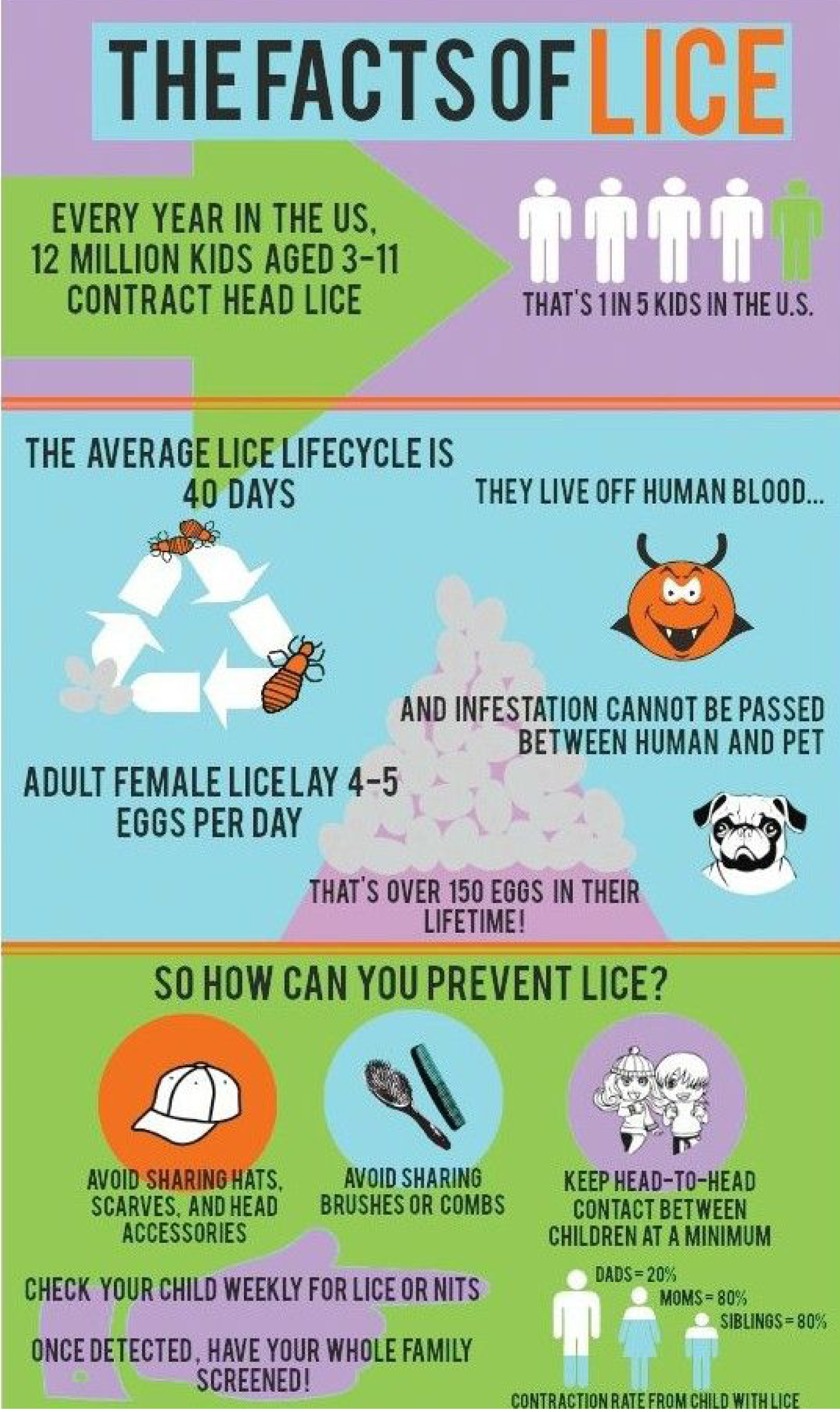
The Facts of Lice Brooklyn Friends School
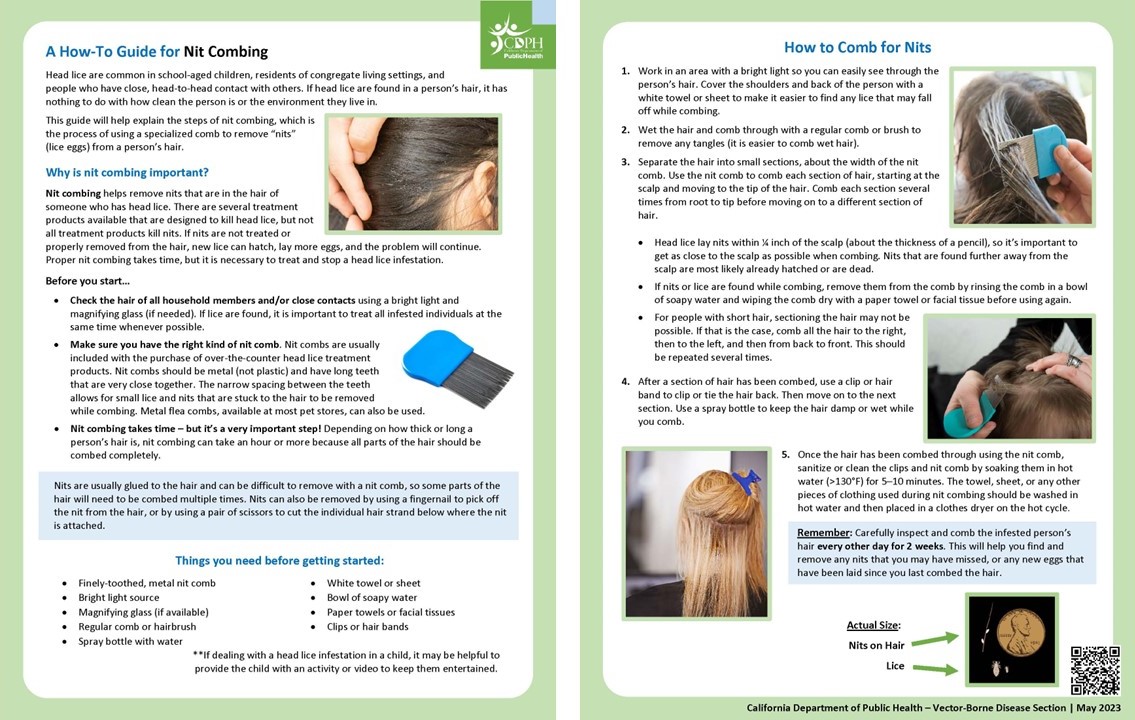
Head Lice

Head Lice 101 A Parents Guide with Tips, Facts, and Information (pdf)
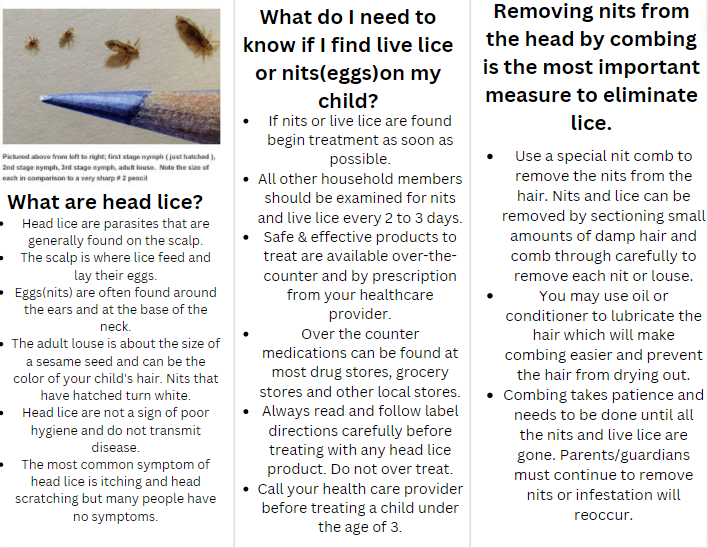
Head Lice What Parents Need to Know Kimball Public Schools
You May See Different Stages Of Head Lice When Checking Your Child:
Lice Move By Crawling, They Cannot Hop Or Fly.
Lice Are Small Insects That Live In The Hairy Parts Of The Body.
Eggs And Empty Egg Shells (Nits), Baby Lice (Nymphs), And Adult Lice.
Related Post: