
Pressure Ulcer Brochure
Pressure Ulcer Brochure - Pressure ulcers occur when unrelieved pressure on the skin. What is a pressure ulcer? A pressure ulcer, or “bed sore,” develops when muscles and soft tissue of the body are squeezed between one of your bones and an outside surface (like a chair or a. Prevention and management (2) and the nice quality standard: It results from lying or sitting in one position for too long. A pressure ulcer, or bedsore, is a serious problem in the hospital and at home. A pressure ulcer is an injury to the skin and the tissue beneath it. What is a pressure ulcer? Pressure ulcers (4) updated using the epuap, npiap, pppia pressure ulcer guidelines (3). Pressure ulcers begin as reddened areas, but can damage skin and muscles if not treated. It results from lying or sitting in one position for too long. What is a pressure ulcer? A pressure ulcer, or bedsore, is a serious problem in the hospital and at home. Pressure ulcers can slow your recovery, causing pain, infections and other problems. As partners in your care, this brochure will help you, your care givers and care helpers learn how to prevent pressure ulcers (also called bed sores). What is a pressure ulcer? “guideline for prevention and management of pressure ulcers” and the npuap/epuap (npuap.org) for their “pressure ulcer prevention & treatment: Pressure ulcers are serious problems that can lead to pain, a longer stay in the hospital or nursing home, and slower recovery from health problems. What is a pressure ulcer? Patient comorbidities included former tobacco use,. Pressure ulcers occur when unrelieved pressure on the skin. “guideline for prevention and management of pressure ulcers” and the npuap/epuap (npuap.org) for their “pressure ulcer prevention & treatment: Patient comorbidities included former tobacco use,. Pressure ulcers (4) updated using the epuap, npiap, pppia pressure ulcer guidelines (3). Pressure ulcers can affect your health and slow. Pressure ulcers (4) updated using the epuap, npiap, pppia pressure ulcer guidelines (3). A pressure ulcer, or “bed sore,” develops when muscles and soft tissue of the body are squeezed between one of your bones and an outside surface (like a chair or a. As partners in your care, this brochure will help you, your care givers and care helpers. Anyone who must stay in a bed, chair, or. Information about preventing pressure ulcers format brochure topic symptoms, diseases & conditions subject skin conditions pressure sores keywords skin pressure sores. Pressure ulcers (4) updated using the epuap, npiap, pppia pressure ulcer guidelines (3). Pressure ulcers are areas where the skin has broken. A ‘bed sore’), is an area of red. What is a pressure ulcer? Anyone who must stay in a bed, chair, or. A picture guide to pressure ulcer prevention to aid inclusivity and delivery of information for a range of needs. Pressure ulcers can slow your recovery, causing pain, infections and other problems. A ‘bed sore’), is an area of red or broken skin caused by too much. Information about preventing pressure ulcers format brochure topic symptoms, diseases & conditions subject skin conditions pressure sores keywords skin pressure sores. What is a pressure ulcer? Pressure ulcers occur when unrelieved pressure on the skin. Pressure ulcers are serious problems that can lead to pain, a longer stay in the hospital or nursing home, and slower recovery from health problems.. Pressure injuries, also called pressure ulcers, occur when the skin becomes damaged due to a lack of blood flow. Designed for oldham care organisation, northern care Pressure ulcers are areas where the skin has broken. As partners in your care, this brochure will help you, your care givers and care helpers learn how to prevent pressure ulcers (also called bed. Slow healing or chronic pressure ulcers, watch for improvements, and learn how to prevent other pressure ulcers. A picture guide to pressure ulcer prevention to aid inclusivity and delivery of information for a range of needs. Pressure ulcers, also called bed sores or decubitus ulcers, can be a big problem in hospitals, nursing homes, and patient homes. A pressure ulcer,. Pressure ulcers are serious problems that can lead to pain, a longer stay in the hospital or nursing home, and slower recovery from health problems. A pressure ulcer is a wound to the skin and/or the underlying tissues over bony areas. Information about preventing pressure ulcers format brochure topic symptoms, diseases & conditions subject skin conditions pressure sores keywords skin. Slow healing or chronic pressure ulcers, watch for improvements, and learn how to prevent other pressure ulcers. Pressure ulcers, also called bed sores or decubitus ulcers, can be a big problem in hospitals, nursing homes, and patient homes. This is typically the result of sitting or laying in the same position for too. What is a pressure ulcer? A pressure. Patient comorbidities included former tobacco use,. What is a pressure ulcer? A picture guide to pressure ulcer prevention to aid inclusivity and delivery of information for a range of needs. Pressure ulcers can affect your health and slow. Pressure ulcers (4) updated using the epuap, npiap, pppia pressure ulcer guidelines (3). Pressure ulcers begin as reddened areas, but can damage skin and muscles if not treated. What is a pressure ulcer? “guideline for prevention and management of pressure ulcers” and the npuap/epuap (npuap.org) for their “pressure ulcer prevention & treatment: Information about preventing pressure ulcers format brochure topic symptoms, diseases & conditions subject skin conditions pressure sores keywords skin pressure sores. Mölnlycke mepilex® border dressings, z flex fluidized boot, and fluidized positioners (see the back of this brochure) are specifically designed to. Pressure ulcers are areas where the skin has broken. Pressure ulcers can affect your health and slow. A pressure ulcer, or bedsore, is a serious problem in the hospital and at home. This is typically the result of sitting or laying in the same position for too. Pressure ulcers are serious problems that can lead to pain, a longer stay in the hospital or nursing home, and slower recovery from health problems. A ‘bed sore’), is an area of red or broken skin caused by too much pressure, friction, and/or shear on your skin for too long a period of time. A pressure ulcer is an injury to the skin and the tissue beneath it. Slow healing or chronic pressure ulcers, watch for improvements, and learn how to prevent other pressure ulcers. Pressure ulcers can happen quickly, so it is important to heed warning signs and act swiftly to prevent them occurring or becoming worse. A picture guide to pressure ulcer prevention to aid inclusivity and delivery of information for a range of needs. Pressure ulcers (4) updated using the epuap, npiap, pppia pressure ulcer guidelines (3).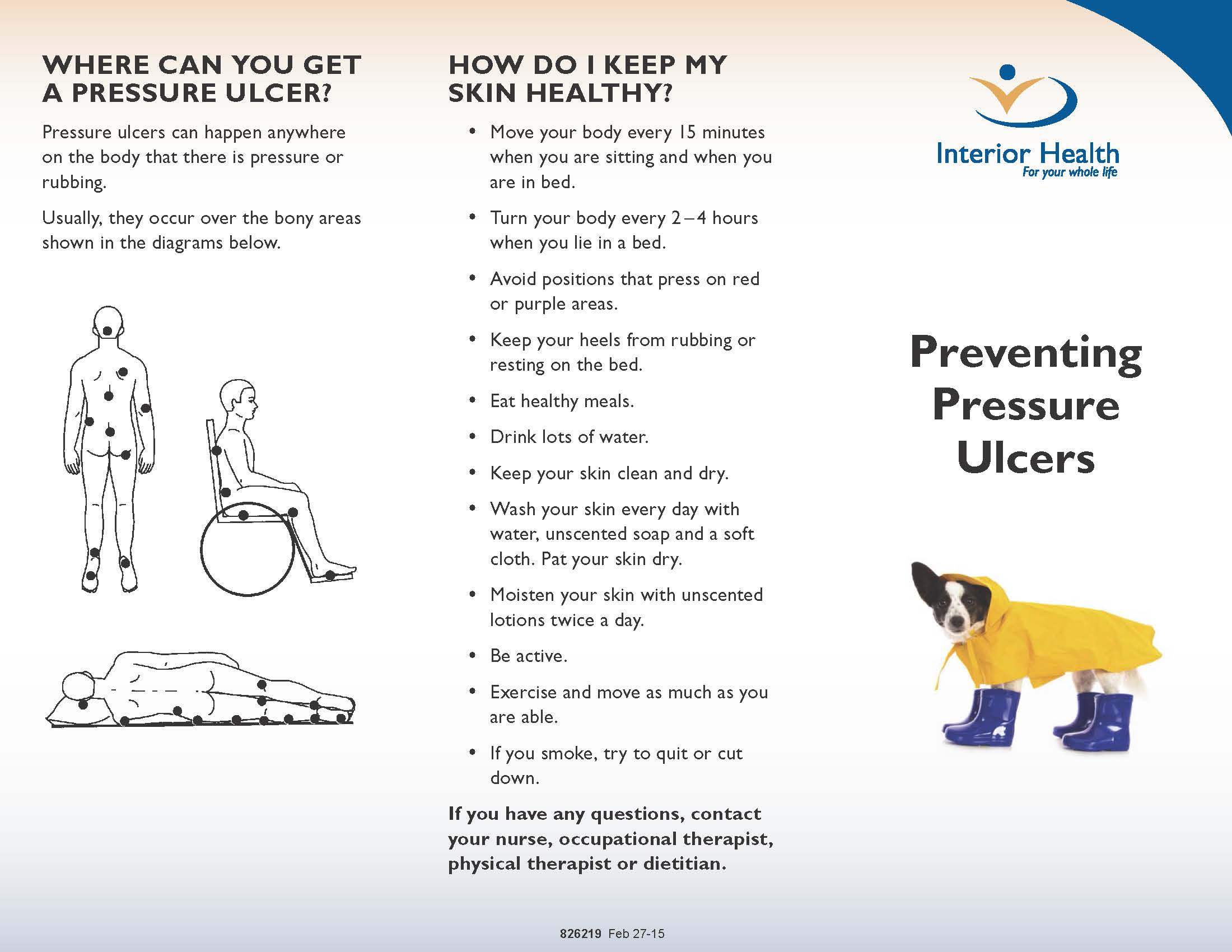
Continuing education for pressure ulcer prevention Taking the pressure

Stop the Pressure information sheet Pressure ulcer, Nursing home

How You Can Prevent Pressure Ulcers by Pritchett & Hull Associates, Inc

MDPRI Posters National Pressure Ulcer Advisory Panel
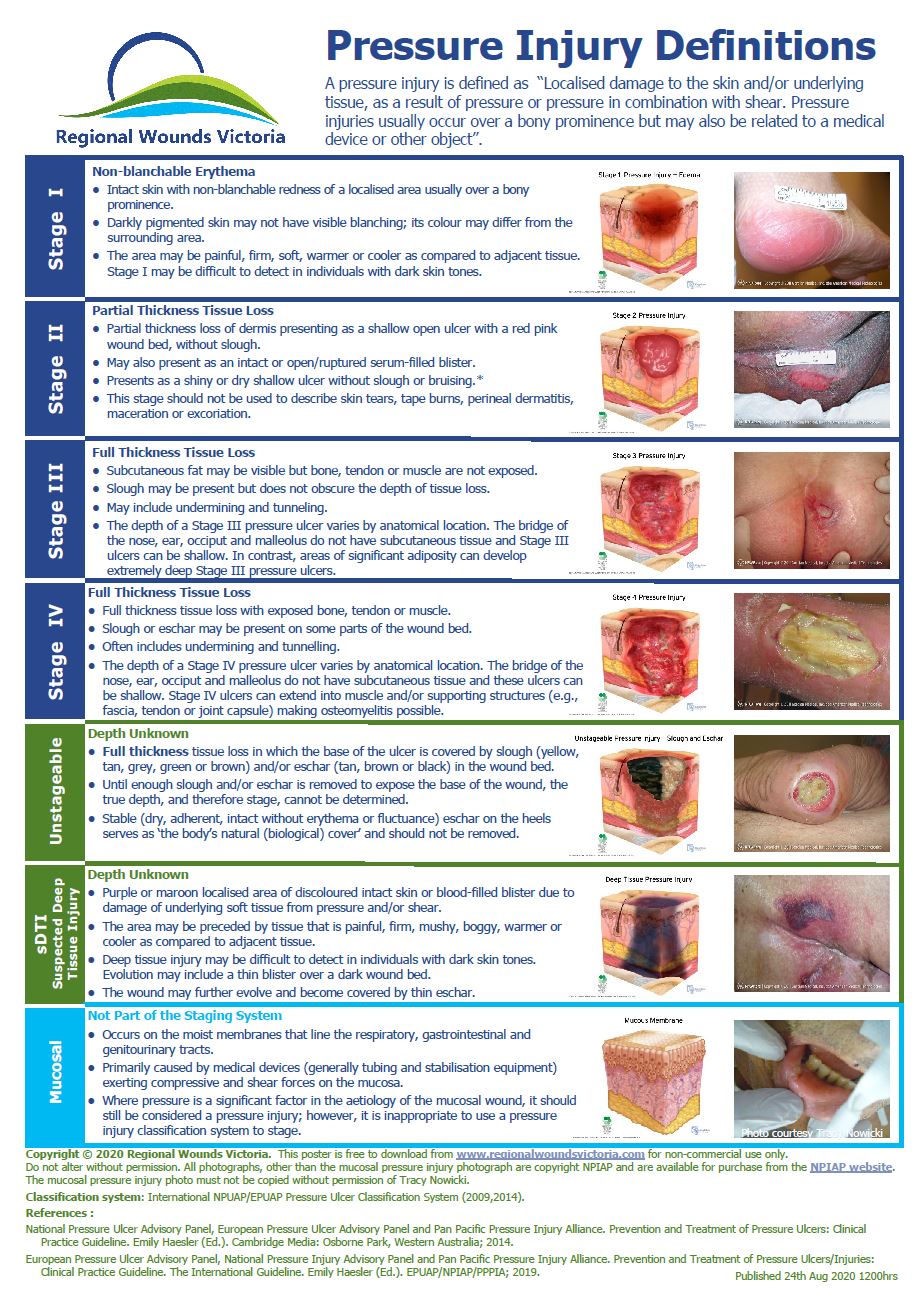
RWV Poster Pressure Injury Definitions RWV
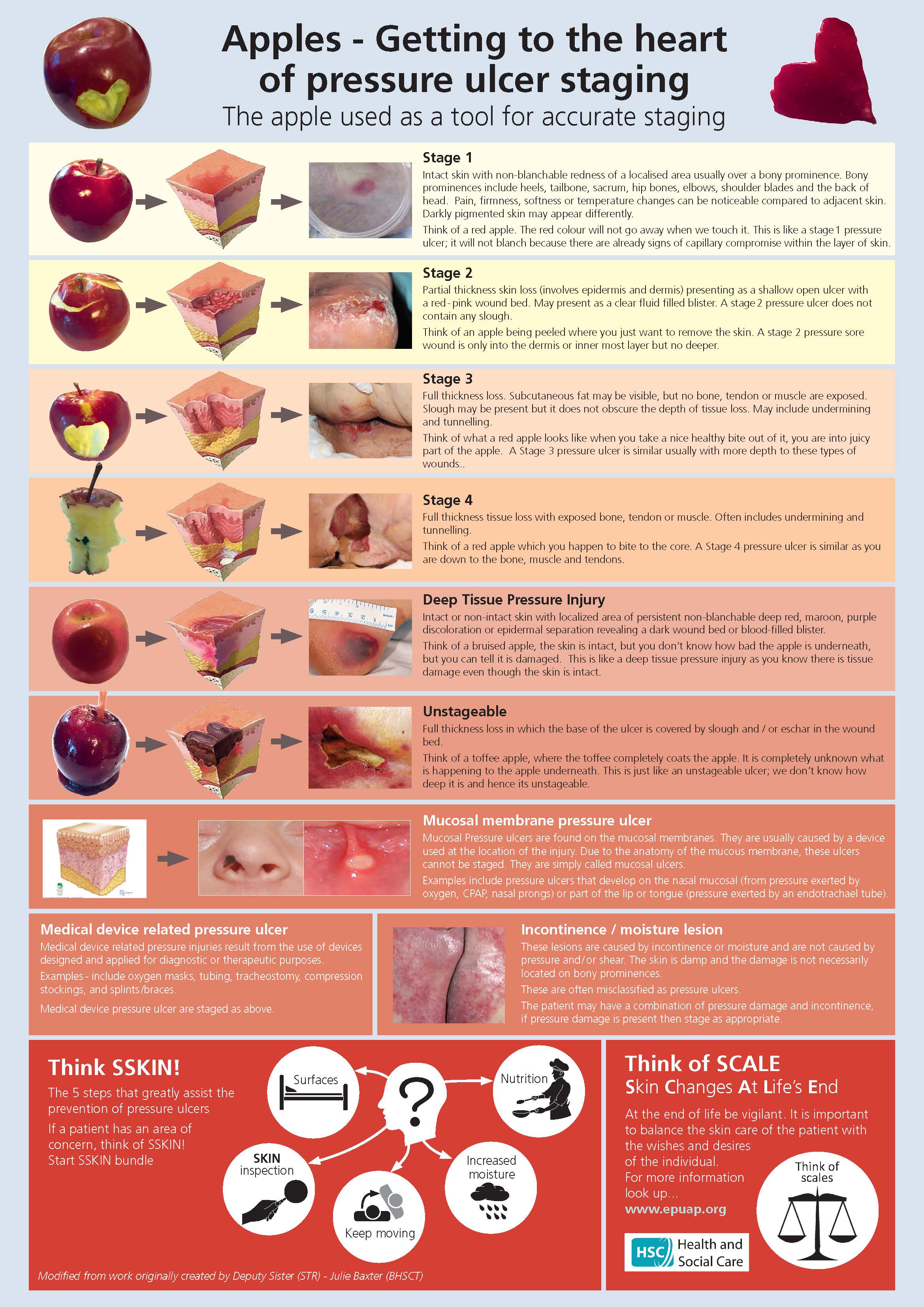
Nursing Publications HSC Public Health Agency

Prevention and Treatment of Pressure Ulcers/Injuries Clinical Practice

Continuing education for pressure ulcer prevention Taking the pressure
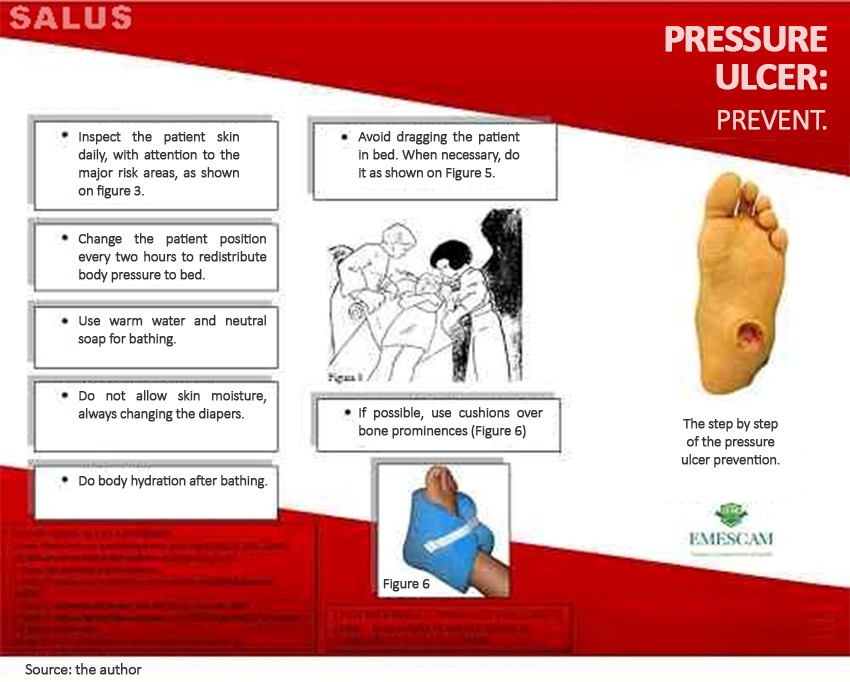
Salus Journal of Health Sciences

Preventing Pressure Ulcers Leaflet by Provide CIC Issuu
It Results From Lying Or Sitting In One Position For Too Long.
As Partners In Your Care, This Brochure Will Help You, Your Care Givers And Care Helpers Learn How To Prevent Pressure Ulcers (Also Called Bed Sores).
Pressure Injuries, Also Called Pressure Ulcers, Occur When The Skin Becomes Damaged Due To A Lack Of Blood Flow.
Anyone Who Must Stay In A Bed, Chair, Or.
Related Post: