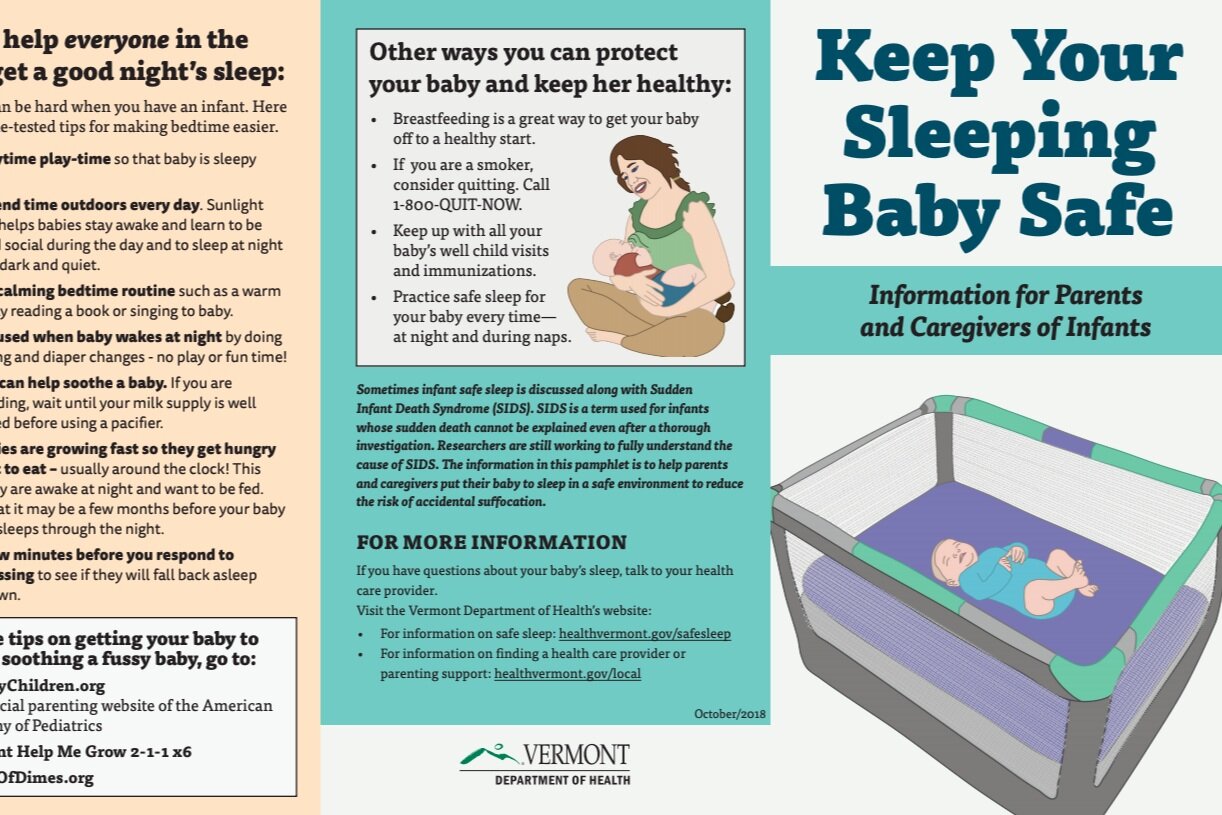
Safe Sleep Brochure
Safe Sleep Brochure - These deaths happen during sleep times. Keep baby close to your bed, on a separate surface designed for infants. Babies who sleep on their backs are much less likely to die of sids than babies who sleep on their stomachs or sides. Approved for 1.5 ce credit hours, offers communication strategies for. Download our safe sleep brochure (pdf) a safe sleeping environment reduces your baby’s risk of sudden infant death syndrome (sids), which is the number one cause of death between. Order brochures, posters, decals, checklists and more in english and other languages. This brochure from the national institute of child health and human. Keep your baby safe during sleep. Fact sheets, such as what does a safe sleep environment look like? Babies sleep safest on their backs. Keep baby close to your bed, on a separate surface designed for infants. Approved for 1.5 ce credit hours, offers communication strategies for. Order brochures, posters, decals, checklists and more in english and other languages. One of the most important things a baby needs is a safe place to sleep. There are a number of things you can do to help keep this from happening to your. Unsafe sleep and sids are the leading cause of death in infants between one month and one year of age, with most deaths occurring when a baby is between two and four months of age. Babies who sleep on their backs are much less likely to die of sids than babies who sleep on their stomachs or sides. The american academy of pediatrics recommends the following safe sleep practices that parents and all caregivers of infants should know: An interactive tool where users can explore the room to see how to create a safe sleep environment. Download our safe sleep brochure (pdf) a safe sleeping environment reduces your baby’s risk of sudden infant death syndrome (sids), which is the number one cause of death between. Keep your baby safe during sleep. Approved for 1.5 ce credit hours, offers communication strategies for. An interactive tool where users can explore the room to see how to create a safe sleep environment. Safe sleep guidelines from the american academy of pediatrics focus on actions you and others can take to help your baby sleep safely and to reduce. Unsafe sleep and sids are the leading cause of death in infants between one month and one year of age, with most deaths occurring when a baby is between two and four months of age. Keep baby close to your bed, on a separate surface designed for infants. The american academy of pediatrics recommends the following safe sleep practices that. Unsafe sleep and sids are the leading cause of death in infants between one month and one year of age, with most deaths occurring when a baby is between two and four months of age. Order brochures, posters, decals, checklists and more in english and other languages. There are a number of things you can do to help keep this. Order brochures, posters, decals, checklists and more in english and other languages. Keep baby close to your bed, on a separate surface designed for infants. Fact sheets, such as what does a safe sleep environment look like? One of the most important things a baby needs is a safe place to sleep. Babies sleep safest on their backs. Babies sleep safest on their backs. These deaths happen during sleep times. Babies who sleep on their backs are much less likely to die of sids than babies who sleep on their stomachs or sides. An interactive tool where users can explore the room to see how to create a safe sleep environment. Unsafe sleep and sids are the leading. Approved for 1.5 ce credit hours, offers communication strategies for. Download our safe sleep brochure (pdf) a safe sleeping environment reduces your baby’s risk of sudden infant death syndrome (sids), which is the number one cause of death between. These deaths happen during sleep times. Keep your baby safe during sleep. An interactive tool where users can explore the room. Safe sleep guidelines from the american academy of pediatrics focus on actions you and others can take to help your baby sleep safely and to reduce your baby’s risk of dying while sleeping. This brochure from the national institute of child health and human. Download our safe sleep brochure (pdf) a safe sleeping environment reduces your baby’s risk of sudden. Babies who sleep on their backs are much less likely to die of sids than babies who sleep on their stomachs or sides. These deaths happen during sleep times. The american academy of pediatrics recommends the following safe sleep practices that parents and all caregivers of infants should know: One of the most important things a baby needs is a. Babies who sleep on their backs are much less likely to die of sids than babies who sleep on their stomachs or sides. Keep your baby safe during sleep. Babies should sleep alone in their own. An interactive tool where users can explore the room to see how to create a safe sleep environment. Babies sleep safest on their backs. Babies sleep safest on their backs. This brochure from the eunice kennedy shriver national institute of child. Keep your baby safe during sleep. Babies who sleep on their backs are much less likely to die of sids than babies who sleep on their stomachs or sides. The american academy of pediatrics recommends the following safe sleep practices that parents and. These deaths happen during sleep times. Keep your baby safe during sleep. Babies should sleep alone in their own. Keep baby close to your bed, on a separate surface designed for infants. One of the most important things a baby needs is a safe place to sleep. The american academy of pediatrics recommends the following safe sleep practices that parents and all caregivers of infants should know: Download our safe sleep brochure (pdf) a safe sleeping environment reduces your baby’s risk of sudden infant death syndrome (sids), which is the number one cause of death between. Order brochures, posters, decals, checklists and more in english and other languages. Unsafe sleep and sids are the leading cause of death in infants between one month and one year of age, with most deaths occurring when a baby is between two and four months of age. There are a number of things you can do to help keep this from happening to your. An interactive tool where users can explore the room to see how to create a safe sleep environment. This brochure from the national institute of child health and human. Infant safe sleep guidelines the american academy of pediatrics reviews the latest research and offers guidelines for where and how to safely place your baby to sleep. Fact sheets, such as what does a safe sleep environment look like? This brochure from the eunice kennedy shriver national institute of child..jpg)
Resources and Factsheets Red Nose Australia

Safe Sleep Brochure Nutrition Matters

Safe Sleep Brochure Nutrition Matters
Safe Sleeping Brochure 1 PDF Childhood Human Development

Safe Sleeping Brochure.pdf SIDS and Kids NSW

Safe Sleep Brochure Idaho Health Tools
Safe Sleep — Prevent Child Injury
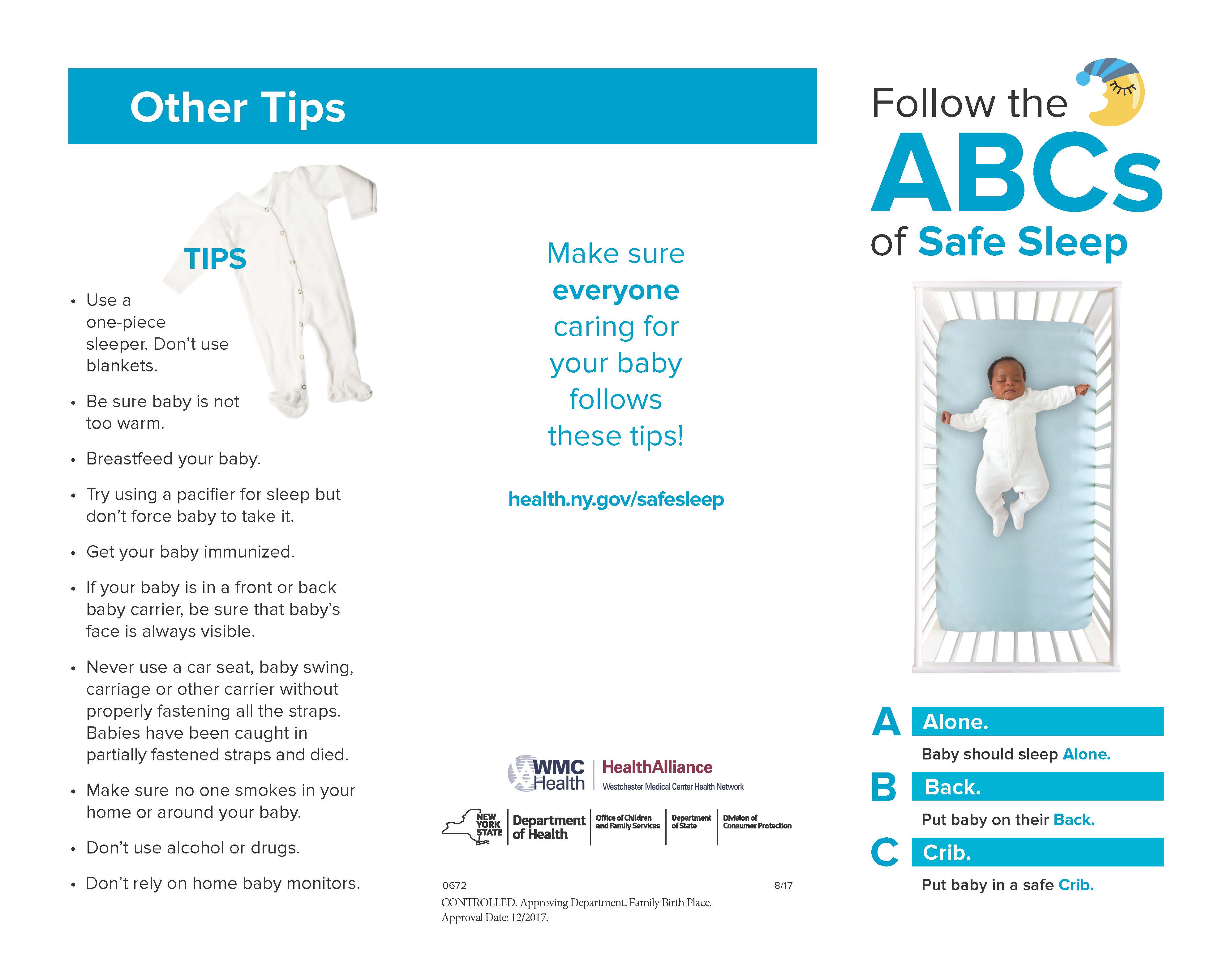
Safe Sleep Education
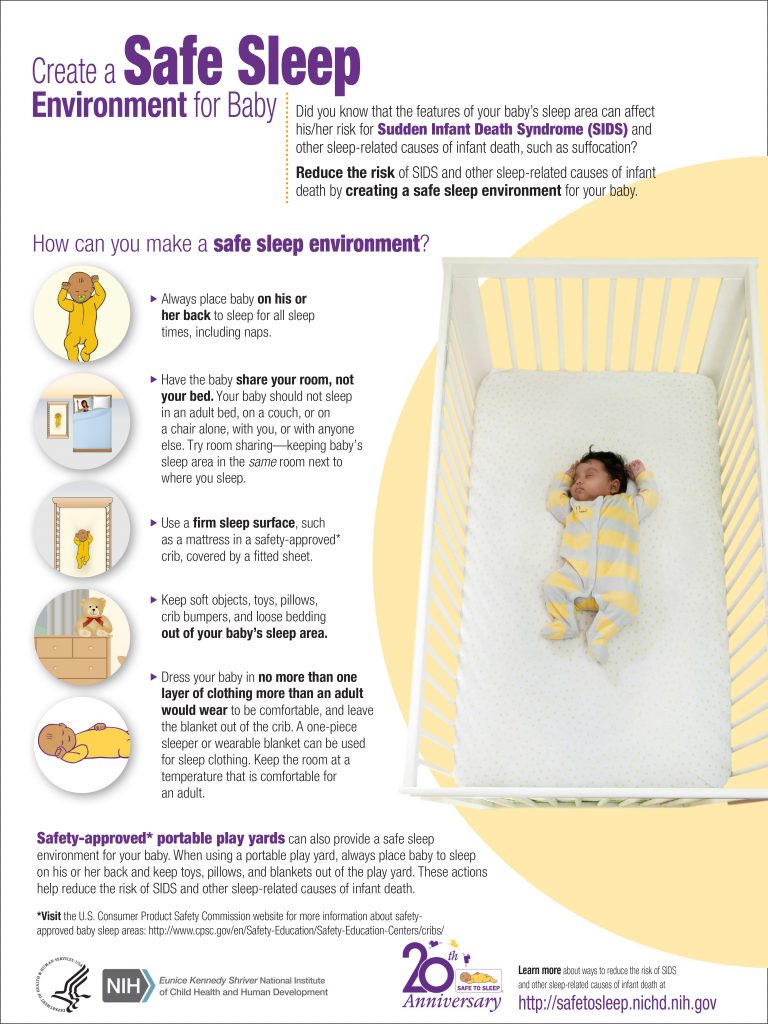
SIDS and CoSleeping Create a Safe Sleep Environment for Infants
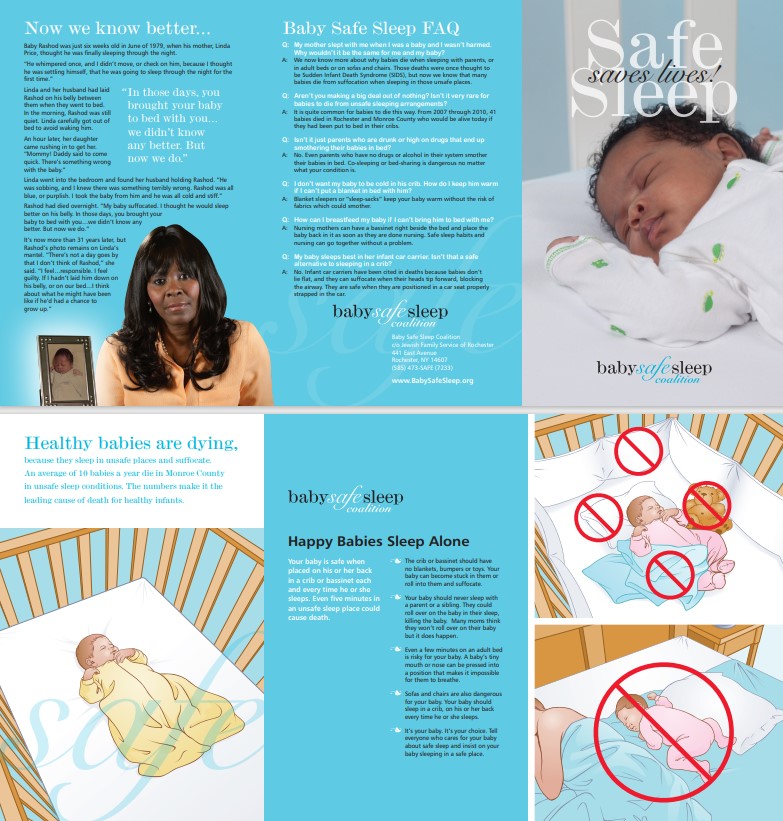
Baby Safe Sleep Metrix Marketing
Approved For 1.5 Ce Credit Hours, Offers Communication Strategies For.
Babies Sleep Safest On Their Backs.
Babies Who Sleep On Their Backs Are Much Less Likely To Die Of Sids Than Babies Who Sleep On Their Stomachs Or Sides.
Safe Sleep Guidelines From The American Academy Of Pediatrics Focus On Actions You And Others Can Take To Help Your Baby Sleep Safely And To Reduce Your Baby’s Risk Of Dying While Sleeping.
Related Post: